



What is House Edge?
The house edge is the built-in mathematical advantage that gives casinos an expected profit over the long run, with the keyword here being ‘expected’.
Many players assume that a 5% house edge means they’ll lose 5% of their bankroll every session, but that’s not how it works. The house edge is actually calculated across thousands or even millions of bets.
Every casino game has a house edge (with some exceptions that I’ll discuss below), but the percentage varies depending on the game and the specific rules being used.
In reality, the tiny percentage differences might not mean much in the short term because you can win big, break even, or even lose more than the claimed house edge.
The best way to describe how the house edge in casino games works is through an example.
Imagine 1,000 players each wager A$100 on a casino game with a 2% house edge. Together, they wager a total of A$100,000.
In theory, the casino would keep around A$2,000 of that amount and return approximately A$98,000 to players. Of course, some players would win much more than they wagered, while others would maybe lose their entire bankroll. The house edge only reflects the average outcome over a large number of bets.
Does that mean the house edge was 100% for the losing players and 0% for the winners? Not at all.
The house edge isn’t measured on a single player, session, or outcome. Instead, it reflects the casino’s expected advantage across all wagers placed over the long run.
House Edge of Popular Casino Games
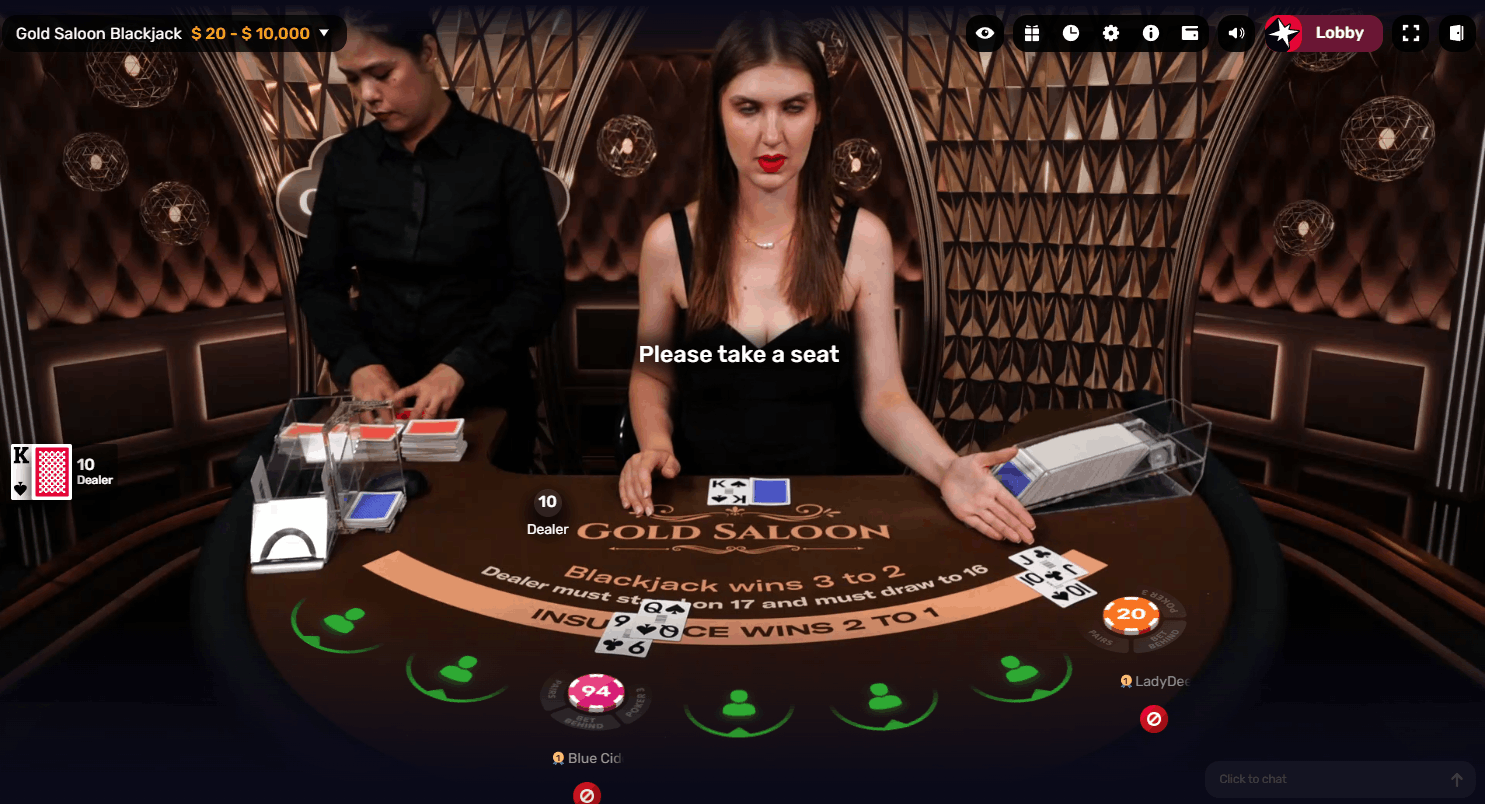
Yes, all casino games come with a house edge, but the percentage can vary dramatically from one game to another. For example, blackjack and baccarat have exceptionally low house edges, while games like Keno are notorious for returning very little to players.
Below, I’ve prepared a table with the house edge of popular games, starting from the games with the lowest house edge to the highest. To make the numbers easier to understand, I’ve included the expected return from a theoretical A$100 wager.
The only exception is pokies, where the house edge varies depending on the specific game.
| Casino Game | Typical House Edge | Expected Return on A$100 |
|---|---|---|
| Video Poker (Jacks or Better, Deuces Wild) | 0.46% | A$99.54 |
| Blackjack (Basic Strategy) | 0.50% | A$99.50 |
| Baccarat (Banker Bet) | 1.06% | A$98.94 |
| Baccarat (Player Bet) | 1.24% | A$98.76 |
| Craps (Pass Line) | 1.41% | A$98.59 |
| Pai Gow Poker | 1.46% | A$98.54 |
| Ultimate Texas Hold'em | 2.19% | A$97.81 |
| European Roulette | 2.70% | A$97.30 |
| Three Card Poker | 3.37% | A$96.63 |
| American Roulette | 5.26% | A$94.74 |
| Caribbean Stud Poker | 5.22% | A$94.78 |
| Baccarat (Tie Bet) | 14.36% | A$85.64 |
| Pokies* | 1% - 15% | A$85 - A$99 |
| Keno | 20% - 30% | A$70 - A$80 |
Note from Alex: While nearly all casino games give the house an advantage, there are a few exceptions. Full-pay Deuces Wild video poker and Odds Bets in Craps can offer a 0% house edge (or better) in theory, but only when played with perfect strategy. In practice, most players make mistakes, which is why the casino still comes out ahead. Even so, video poker remains one of the best games if you’re looking for the lowest house edge.
House Edge Explained: Original Wager vs Total Wager
House edge is usually calculated against your original wager, not the total amount of money you put at risk when playing at a casino. This makes it a useful way to estimate expected losses.
For example, if a game has a 1% house edge, you can expect to lose around A$1 for every A$100 initially wagered over the long run. That’s easy for most players to understand and apply to their own gambling budget.
However, house edge doesn’t always tell the whole story when comparing different games. For example, some games require additional bets after the initial wager, while others don’t. As a result, two games with similar house edges can expose your bankroll to different levels of risk.
Why Similar House Edges Can Lead to Different Results
Let’s imagine that one player spends an hour playing blackjack and uses the basic blackjack strategy to get a 0.5% house edge, while another spends the same hour spinning pokies with a 5% house edge. Based on the house edge alone, blackjack clearly offers better odds.
However, things become more complicated when you factor in how much money is actually being wagered. A standard pokie is typically played with hundreds of spins per hour, which means that the total amount of money wagered may be far greater. Meanwhile, a blackjack player might place far fewer bets during the same period.
The same principle applies to games where the bet is fixed for each round, and when you can increase the bet mid-round. Let’s take European Roulette and Ultimate Texas Hold’em as an example.
European Roulette has a 2.70% house edge, while Ultimate Texas Hold’em has a 2.19% house edge, so Ultimate Texas Hold’em is that much better than roulette, right?
Well, let’s see what happens in a real-life scenario. In roulette, you simply place your bet and wait for the outcome. If you bet A$10, that’s the total amount you have at risk for that spin.
In Ultimate Texas Hold’em, a $10 ante often turns into a $30 or A$40 wagered by the end of the hand because you need to make additional bets after seeing some of the cards. Importantly, these extra bets are often made when your position is stronger.
Still, this means the casino’s advantage isn’t applied equally across every dollar wagered, so it’s almost impossible to calculate the exact house edge. In many games, like blackjack, the house edge also depends on your decisions, so if you make poor decisions, the house edge will be higher.
Tip from Alex: House edge is one of the most useful numbers to look at when comparing casino games, but it doesn’t tell the whole story. The betting structure, game speed, and amount of money you’ll typically wager during a session can all have a significant impact on your bankroll. That’s why I recommend using house edge as a starting point rather than the only factor when deciding which games to play.
House Edge vs Volatility: What's the Difference?
While house edge and volatility are often mentioned together, they measure two very different aspects of a casino game.
The house edge tells you how much of an advantage the casino has over the long run. Volatility, meanwhile, measures how much your results are likely to fluctuate in the short term.
In statistical terms, volatility is often measured using a figure known as the standard deviation. The higher the standard deviation, the more likely a game is to produce large swings in your bankroll, both positive and negative.
For example, baccarat has a relatively low house edge and low volatility. You can generally expect your bankroll to rise and fall gradually as you play. On the other hand, progressive jackpot pokies often have much higher volatility. While the long-term return may still be reasonable, players can experience lengthy losing streaks before landing a significant win.
This is why two games with similar house edges can feel completely different. One game might have low volatility and provide frequent small wins, while another may have longer stretches without a win.
Let’s imagine two casino games that both have a 5% house edge.
In theory, the casino expects to keep the same amount of money from both games over the long run. However, if one game has a much higher standard deviation, the player experience will be very different.
The low-volatility game may produce relatively predictable results, while the high-volatility game could generate massive wins, long losing streaks, or anything in between. That’s why the house edge is just as important as the volatility. Even if you’re playing a game with a low house edge, you may lose your bankroll much faster than expected if the volatility is too high.
When choosing a casino game, look at both the house edge and the volatility. The house edge tells you how much the game is expected to cost over time, while volatility gives you an idea of how likely you are to experience big bankroll swings.
Can You Reduce the House Edge?
You’re probably thinking: “Okay, Alex, I know what house edge is, but how do I use this information to lose less money?” Well, you can actually do things to reduce the house edge to a certain extent. Don’t get me wrong – the house edge is indeed built into casino games, so there is no way to eliminate it completely. However, there are still things you can do to get more value from every dollar you wager.
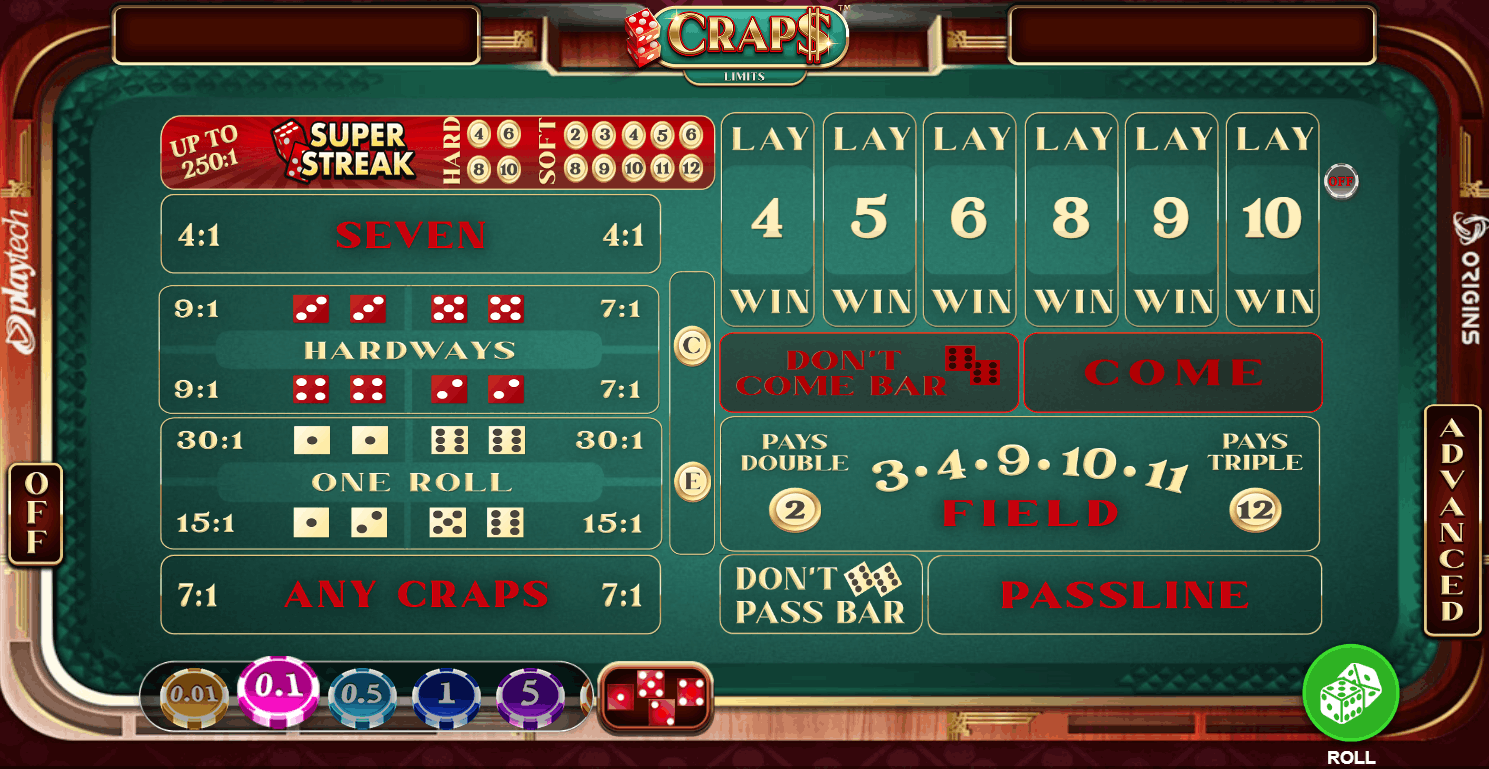
The easiest way to reduce the house edge is to play games that already offer favourable odds. I’m talking about games like blackjack, baccarat, video poker, and certain craps bets, which are among the best options because the casino’s advantage is relatively small compared to many other games.
By contrast, games like Keno, baccarat tie bets, and some pokies have much larger house edges, so even if it doesn’t really matter in the short term, you will lose more in the long run.
In some games, the house edge depends heavily on the decisions you make, and blackjack is the best example.
With a perfect basic strategy, the house edge can be as low as 0.5% under favourable rules. However, if you keep making poor decisions, you will increase the edge that the house has over you.
Not every game is strategy-dependent, but I strongly advise learning the basic strategy in games where it can actually make a difference.
If you’re choosing a betting strategy, you need to be cautious with your choice. For example, the popular Martingale strategy can be too risky and volatile, so you might be better off with a strategy like Oscar’s Grind or D’Alembert.
Most side bets in casino games are actually very bad bets that come with a much larger house edge.
For example, the Banker Bet in baccarat has a house edge of just 1.06%, while the Tie Bet carries a massive 14.36% house edge. The same rule applies to almost all side bets, like Perfect Pairs, Lucky Ladies, Buster, etc.
The house edge in most pokies is usually described as an RTP (Return to Player) percentage, so the higher the RTP, the lower the house edge.
As a general rule, I recommend looking for pokies with an RTP of at least 96%, as these tend to offer a lower house edge than games with lower return percentages.
You cannot really escape the house edge, but you can play responsibly and limit the amount you might lose.
Almost all of the best Australian casinos offer bankroll management tools, such as deposit limits, loss limits, wagering limits, and session reminders. These tools won’t reduce the house edge itself, but they can help you stay in control of your spending and avoid making beginner mistakes like chasing losses.
It’s also a good idea to set a gambling budget before you start playing and stick to it.
House Edge vs RTP: Two Sides of the Same Coin
House edge and RTP (Return to Player) are two sides of the same coin. In fact, they’re calculated using the exact same numbers, just from different perspectives.
The house edge represents the percentage of wagers that the casino expects to keep over the long run. RTP, meanwhile, represents the percentage that is expected to be returned to players.
The relationship between the two is simple:
House Edge = 100% – RTP
For example:
| RTP | House Edge |
|---|---|
| 99% | 1% |
| 98% | 2% |
| 97% | 3% |
| 96% | 4% |
| 95% | 5% |
Let’s say you’re playing a pokie with a 96% RTP. This means the game is expected to return A$96 for every A$100 wagered over millions of spins. The remaining A$4 represents the casino’s expected profit, which means the house edge is 4%.
You’ll usually see RTP used when discussing pokies, while table games are more commonly described using house edge. However, both metrics essentially show how much of an advantage the casino has over players in the long run.
Which Casino Games Offer the Best Odds?
While it doesn’t necessarily mean that a game with a lower house edge is better, if your goal is to get the most value from every dollar you wager, I do recommend sticking to games with a lower house edge. Games like blackjack, baccarat, video poker, and certain craps bets offer some of the best odds in the casino, especially when played with the correct strategy.
That doesn’t mean you should automatically avoid games with a higher house edge. You can absolutely enjoy pokies, roulette, and other casino games if you find them entertaining.
There are multiple factors that influence the overall gambling experience, including volatility, game speed, bonus features, and jackpot potential. However, if you’re looking at things purely from a value perspective, the general rule is simple: the lower the house edge, the better the odds are for players over the long run.
Latest Articles

Gambling is intended only for adults aged 18 and over. AustralianStakes.com is committed to producing fair, independent content, and our editorial opinions are not shaped by casino operators, advertisers, or other outside parties.
Gambling should always be treated as entertainment and contained within sensible limits. Anyone concerned about their own gambling habits or those of a friend or family member can access confidential support through the following organisations:
- https://responsiblewagering.com.au/
- https://www.gamblinghelponline.org.au/
- https://gamblershelp.com.au/get-help/