


What Are Poker Cash Games?
Cash games are poker games where the chips on the table have a fixed cash value. You buy in for a certain amount, play for as long as you want, and can cash out whenever you decide to leave.
Unlike tournaments, the blinds don’t increase as the game progresses, and losing your entire stack doesn’t automatically mean you’re finished. As long as the table is still running, you can simply buy back in and play with a chip denomination that’s usually A$1 = 1 chip.
You can play cash games at top Australian online casinos in several different variations, with Texas Hold’em, Omaha and Omaha Hi-Lo poker games being common options. But even when you’re playing the same game, the blinds, stakes, and stack sizes determine the ‘pace’ of the game and the type of players that you’ll see at your table, so you need to adjust your strategy to the table you’re sitting at.
Different Types of Cash Games
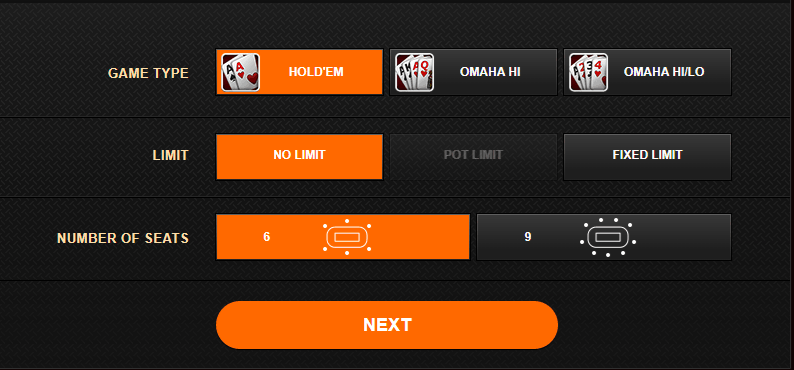
Before getting into the strategy, I’ll point out that cash games can vary quite a lot. The stakes, blinds, table size, stack sizes and type of players at the table can all change how you should approach the game, so you should first determine the type of cash game you’re playing.
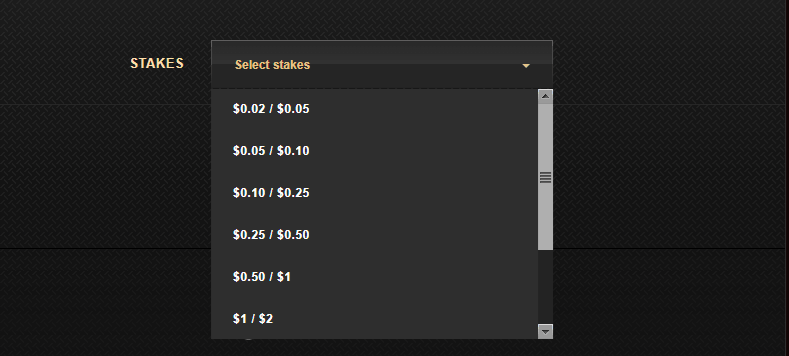
Generally, there are three types of tables you’ll find at the best poker sites, based on the stake size:
- Micro and Low Stakes: Usually around A$0.01/A$0.02 to A$0.25/A$0.50 blinds. These tables tend to have more recreational players, so the strategy can be quite different from higher-stakes games.
- Mid Stakes: These tables are roughly from A$0.50/A$1 to A$2/A$5 blinds. Here, players tend to be more experienced, so you’ll need to pay closer attention to their tendencies and be more selective about the spots you get involved in.
- High Stakes: Generally A$5/A$10 blinds and above, but can go up to A$100/A$200 blinds and even higher. The games are much harder to play because you’ll usually find experienced regulars playing them, and there are much larger amounts of money at risk.
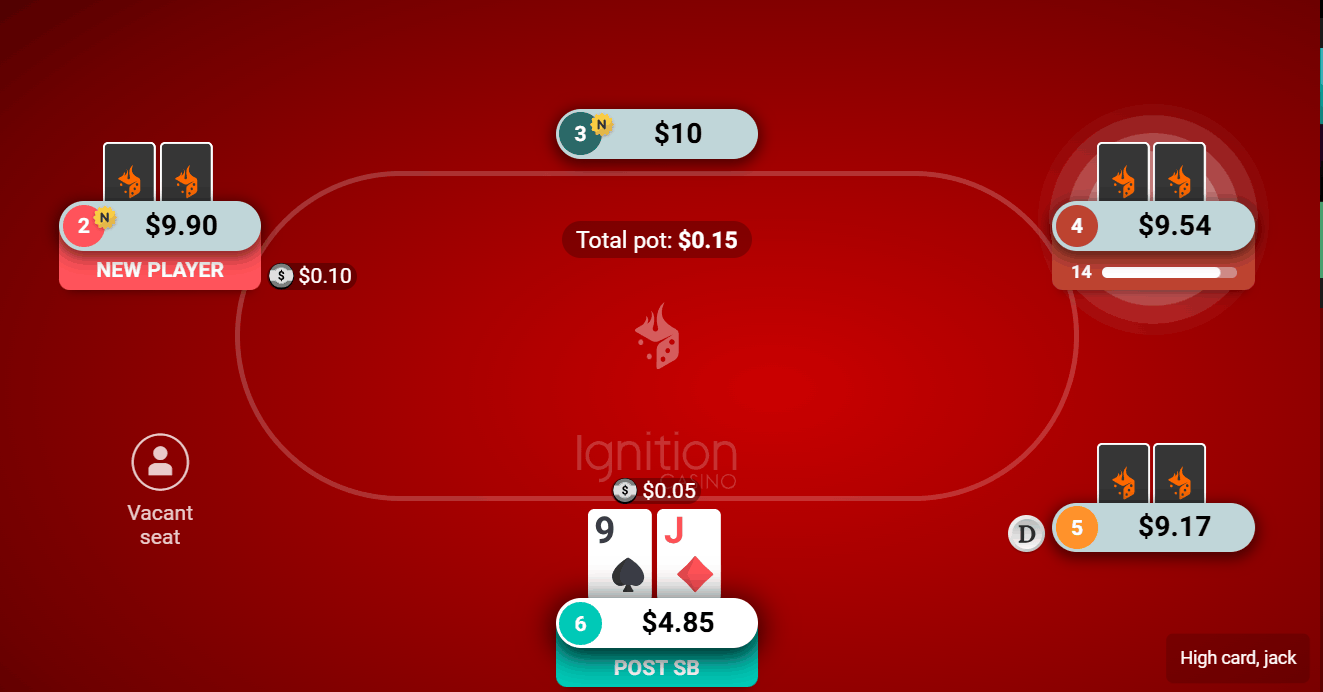
Depending on how many players play at the table, you’ll find these types of tables:
- Full-Ring vs 6-Max: The 9-player full-ring tables have more players, while 6-max tables are shorter and generally require you to play more hands and be more aggressive.
- Heads-Up Cash Games: With only two players at the table, you’re involved in almost every hand, which means that position and aggression are particularly important.
Poker Cash Game Strategy: How to Approach the Table
Cash games give you much more freedom than tournaments, but that doesn’t mean you can play every hand however you like. In fact, experienced players usually play fewer hands in cash games, so your strategy needs to change based on your stack, position, the players at the table, and how the action develops.
Here are the main things to focus on when playing cash games:
Start With the Right Mindset
As counterintuitive as it may sound, if you’ve decided to play cash games, you’ve essentially signed up for a long-term game. Don’t get me wrong, it’s not like you need to play for days, but you shouldn’t expect to win every pot or immediately make back the money you lose in a bad hand or even a bad day.
What I mean is that every hand is a new decision, and the goal is to consistently make good decisions rather than force the action when things aren’t going your way.
If you lose a big pot, the most important thing to remember is not to tilt and move on to the next hand. Getting frustrated and trying to win your money back quickly is one of the easiest ways to turn an unlucky hand into a much bigger loss.
Patience is key in cash games, and sometimes the best decision you can make is to simply wait for a better spot. With that in mind, let’s look at how to adjust your pre-flop strategy.
Build Your Pre-Flop Strategy
Your decisions before the flop set the tone for the entire hand, so this is where I like to be particularly disciplined. The hands you play, your position, how you enter the pot and what the players before you have done all matter.
- Choose your starting hands carefully: Don’t feel like you need to play every hand just because you’re sitting at the table. Stronger starting hands will generally make your post-flop decisions much easier, so wait for good opportunities.
- Use your position: The later you act, the more information you have about what everyone else is doing. This gives you more freedom to play a wider range of hands from late position than you would from early position.
- Raise rather than limp: If you decide a hand is worth playing, raising is often preferable to simply calling the big blind. It gives you more ways to win the pot and puts pressure on players who enter the hand with weaker ranges.
- Know when to 3-bet: A 3-bet can be used with very strong hands for value, but it can also put pressure on players who are opening too many hands. Don’t 3-bet simply because you can, though. Consider who made the initial raise and how they tend to respond.
- Adjust to the action: Your starting range shouldn’t be fixed. If someone has already raised, you’ll need a stronger hand to continue than if everyone has folded to you. Likewise, if several players have entered the pot, speculative hands become less attractive unless you have the right position and stack depth.
Play Your Stack
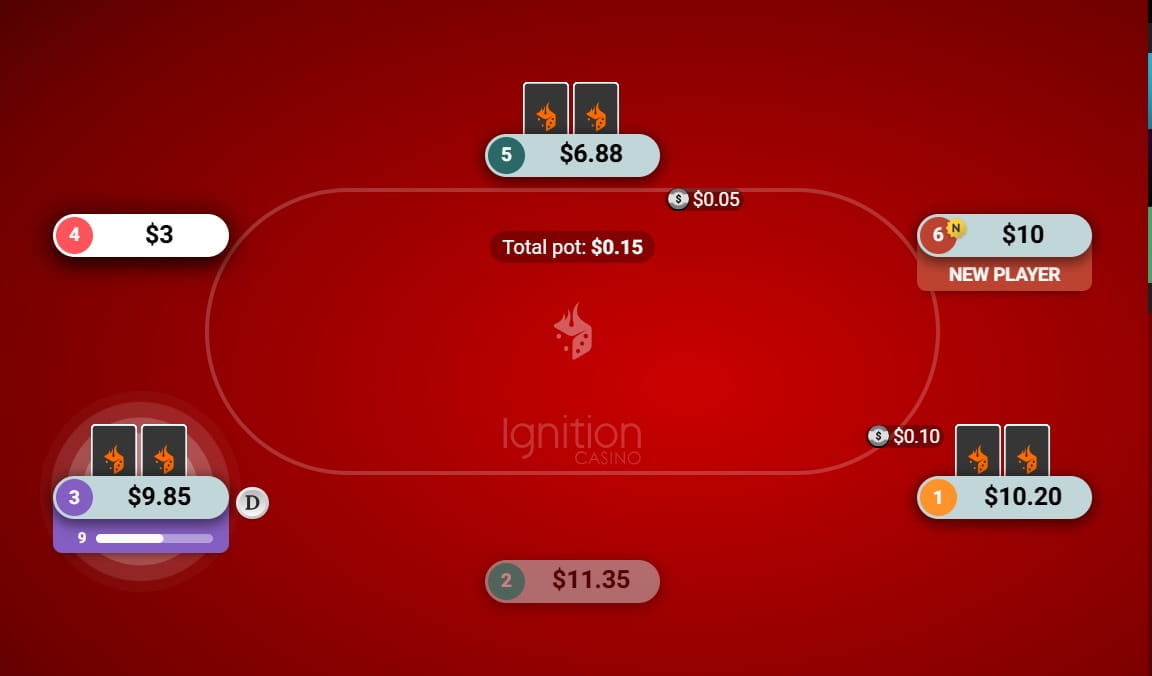
Besides your poker knowledge and strategy, your stack is your most powerful ‘weapon’ at a cash game table, and it changes the way you should approach a cash game because it determines how much room you have to manoeuvre after the flop and which hands are worth playing.
As I explained in my poker tournaments strategy guide, I generally think about my stack in big blinds rather than the actual dollar amount, since A$100 can mean very different things depending on whether you’re playing A$0.50/A$1 or A$2/A$5.
- Short Stack: With around 40 BB or less, you’re usually the short stack in cash games, which means you have less room to make complicated post-flop decisions. Stronger hands become more valuable, while speculative hands like small pairs and suited connectors are hard to play because you don’t have as much behind to win when you hit.
- Medium Stack: At around 40–100 BB, you have enough chips to play a fairly normal cash game strategy, including a wider range of hands and more post-flop manoeuvring. This is where you’ll find many standard cash game players, so you need to balance aggression with good hand selection.
- Deep Stack: Once you’re playing with 100 BB or more, you have much more room to work with, but you also tend to get overconfident, and you have a target on your back. Speculative hands can become more attractive because you have the potential to win a much larger pot when they connect, but you also need to be careful about getting involved in huge pots with marginal hands.
Alex’s Tip: One of the nice things about cash games is how easy it is to adjust your stack. If you’re running low, you can simply buy in again, move to a table with smaller stakes, or stand up and start a new game with a smaller stack. Let’s be honest, though, that last option doesn’t happen very often.
Play Your Position
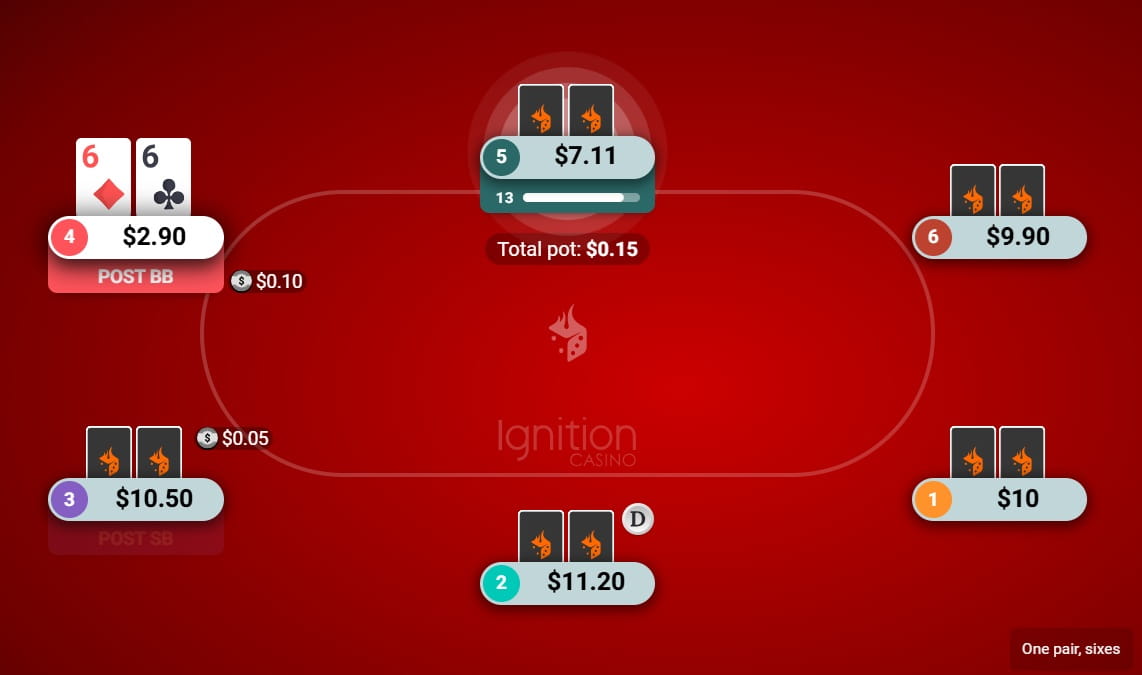
Position is one of the biggest advantages you can have at a cash game table (and any poker table, for that matter), because acting later gives you more information before you have to make a decision. The same hand can be worth playing from the button but a fold from early position. So, the position on the table is crucial in how to play a hand:
- Early Position: You’re the first to act, so keep your range as tight as possible and only play premium hands because several players still have to act after you.
- Middle Position: You can open your range slightly, but still need to account for the players behind you, so speculative hands should be played only with a medium to deep stack.
- Late Position: This is where you can play more hands and put pressure on players who are folding too often, so you should always use it to your advantage.
- The Blinds: You’re already invested in the pot, but don’t let that tempt you into defending hands that aren’t worth playing. Being out of position for the rest of the hand can make even a seemingly reasonable hand difficult to play.
Play the Players, Not Just the Cards
Cash games give you something tournaments don’t: time. If you’re playing at the same table for a while, you should learn how your opponents play, what hands they like to enter pots with and how they react to pressure.
The catch is that they’re doing exactly the same thing with you, so don’t fall into the trap of thinking you’re the only one watching how the others play.
The bigger the blinds, the more experienced your opponents tend to be, so if you’re a beginner, I’d stay with micro and small-stakes tables and start learning the types of opponents you’ll encounter in poker:
- Tight vs. loose: Tight players enter fewer pots and generally have stronger ranges, while loose players are happy to play a much wider selection of hands. Against a tight player, you can often steal more pots, but against a loose player, I’d rather wait for stronger hands and let them put money into the pot.
- Aggressive vs. passive: Aggressive players raise and bet frequently, while passive players tend to call and rarely put their opponents under pressure. Don’t be intimidated by aggression, but don’t assume every aggressive player is bluffing either.
- Watch betting patterns: Most players develop patterns without realising it. For example, if someone usually takes two seconds to decide but suddenly takes much longer, or changes their usual bet size, it might mean something has changed. Strong hands often take longer to play because the player is thinking about how to get the most value from them, although timing alone is never enough to know what someone has.
- Find players you can pressure: If someone is folding too often or clearly doesn’t like playing big pots, you can start putting more pressure on them. You don’t need to pick a fight with every player at the table, but look for the ones giving you opportunities.
- Recognise strength: Sometimes the simplest play is the right one. If a player who has been passive all session suddenly starts raising and re-raising, don’t convince yourself they’re bluffing just because you want to continue. Their previous actions can give you a useful baseline for judging what the sudden change might mean.
Alex’s Tip: I think the most important skill in poker is reading the players around you. I also like to “read experience” and work out how good someone is as quickly as possible. Once I spot a weaker player, I’ll try to play more hands against them and get as much value as I can. It might sound a little mean, but that’s essentially the food chain in poker – you want to identify who you can exploit before someone else identifies you.
Hand Strength in Cash Games
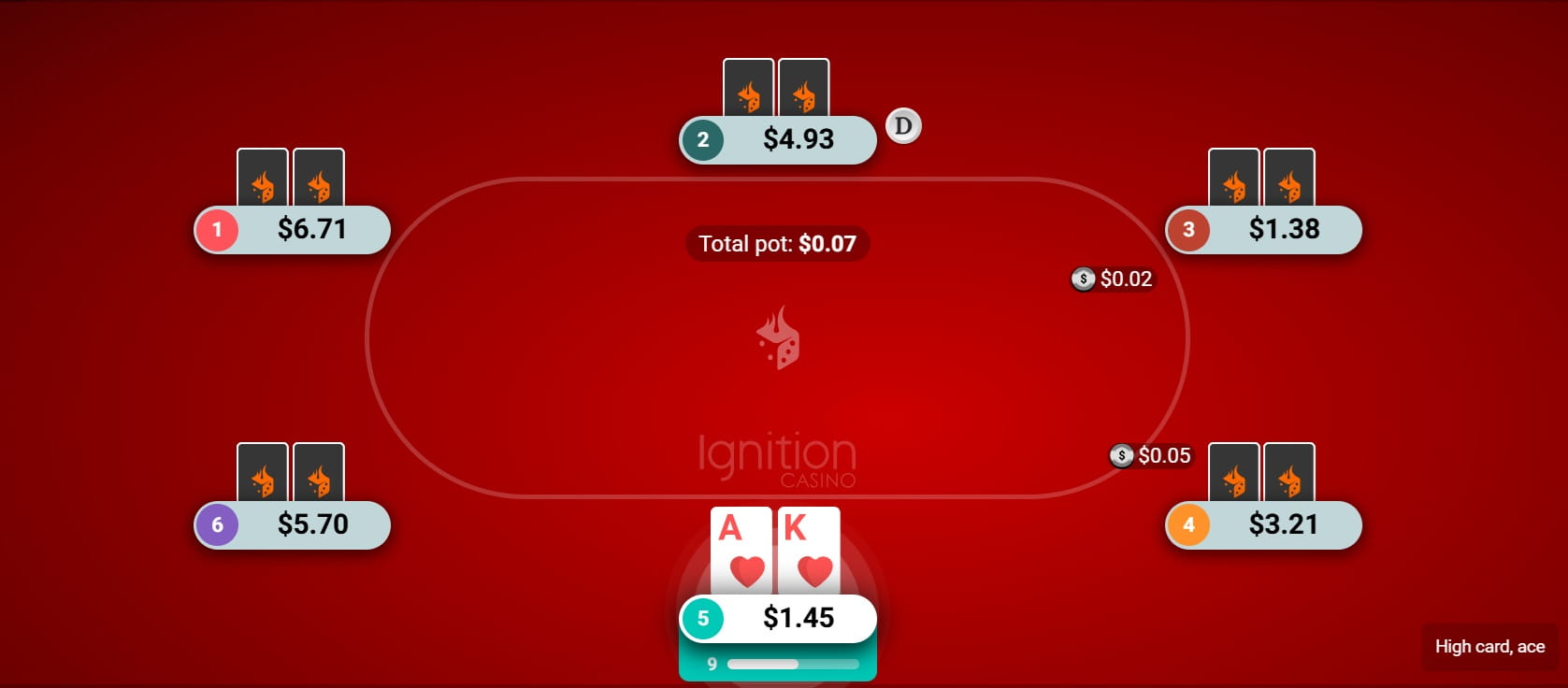
Knowing how strong your hand is sounds obvious, but cash games can get expensive when you overestimate a hand that looks good on paper.
A pair of aces is obviously strong pre-flop, for example, but the probability of being dealt pocket Aces is just 0.45%, so most of the time, you’ll have to work with weaker hands.
Now, before getting into the different types of hands, here’s a quick notation: an “s” means suited, so AKs is Ace-King of the same suit, while an “o” means offsuit, meaning the cards are different suits.
- Premium pairs: Obviously, Aces, Kings, and Queens are the hands you want to see most often, and a premium pair is the strongest pre-flop hand you can get. They’re strong enough to raise and re-raise pre-flop, although you still need to pay attention when the board develops.
- Medium and low pairs: Pocket jacks through small pairs can all be useful, but they need a little more care. Higher pairs can often be played aggressively, while smaller pairs can be useful when you have a deep stack and can win a big pot if you hit a set, but I wouldn’t raise with a low pair pre-flop unless the situation allows it.
- Strong Broadway hands: AK, AQ, AJ and KQ are some of the strongest unpaired starting hands. They become even more valuable when suited, but remember that Ace-King, for example, is still just ace-high before the flop if you don’t connect with the board.
- Suited aces: Hands such as A5s or A4s can be interesting because they can make strong flushes and straights, but they can also get you into trouble when you make a weak pair of aces. I generally prefer playing these from later positions.
- Suited connectors and other speculative hands: Hands such as 89s, 9Ts and JTs aren’t particularly strong on their own, but they can make straights, flushes and strong draws. They’re most suitable when you’re deep-stacked and have position, giving you more room to manoeuvre after the flop. On the other hand, being the short stack in cash games is a bad idea because you can’t take advantage of these hands, which can lead to big pot wins.
- Weak hands: Hands like 72o, 83o and similar combinations don’t give you much to work with. There are situations where almost any two cards can be played, particularly when you’re trying to steal the blinds, but most of the time you shouldn’t be playing weak hands in cash games. Even suited hands aren’t automatically worth playing. Something like K5 suited might look appealing because you have the possibility of making a flush, but it’s still a weak starting hand that can easily be dominated.
Advice from Poker Pros
You can learn the basic cash game strategy fairly quickly, but learning how to play well and mastering the game are two very different things. New situations, different opponents, and details to pick up are always coming, so the more you play and pay attention to your decisions, the better you’ll become.
The advice below is less about specific hands and more about the habits that can make you a better cash game player over time.
- Practice makes perfect: Let’s be honest here: you shouldn’t expect to master cash games after reading one guide. Play, review your hands and learn from the mistakes you make along the way.
- Be patient: You don’t need to force action just because you’ve been folding for a while. Sometimes the best play is to sit back and wait for the right opportunity.
- Stay disciplined: Stick to your strategy even when you’re running badly. One bad hand or a session shouldn’t make you start playing hands you normally wouldn’t.
- Keep your head in the game: If you’re angry, nervous, distracted or dealing with something stressful in your personal life, it can easily spill over into your poker decisions. If you’re not in the right state of mind, avoid playing poker.
- Don’t chase losses: Losing money can make you want to win it back immediately, but that’s exactly when you can start making poor decisions. Accept the loss, take a break if you need one, and come back another time.
- Stay relaxed: Cash games can be played whenever you want, so there’s no reason to rush. If you’re feeling pressured to make money or win back a previous loss, you’re probably better off stepping away from the table.
Latest Articles


Gambling is intended only for adults aged 18 and over. AustralianStakes.com is committed to producing fair, independent content, and our editorial opinions are not shaped by casino operators, advertisers, or other outside parties.
Gambling should always be treated as entertainment and contained within sensible limits. Anyone concerned about their own gambling habits or those of a friend or family member can access confidential support through the following organisations:
- https://responsiblewagering.com.au/
- https://www.gamblinghelponline.org.au/
- https://gamblershelp.com.au/get-help/